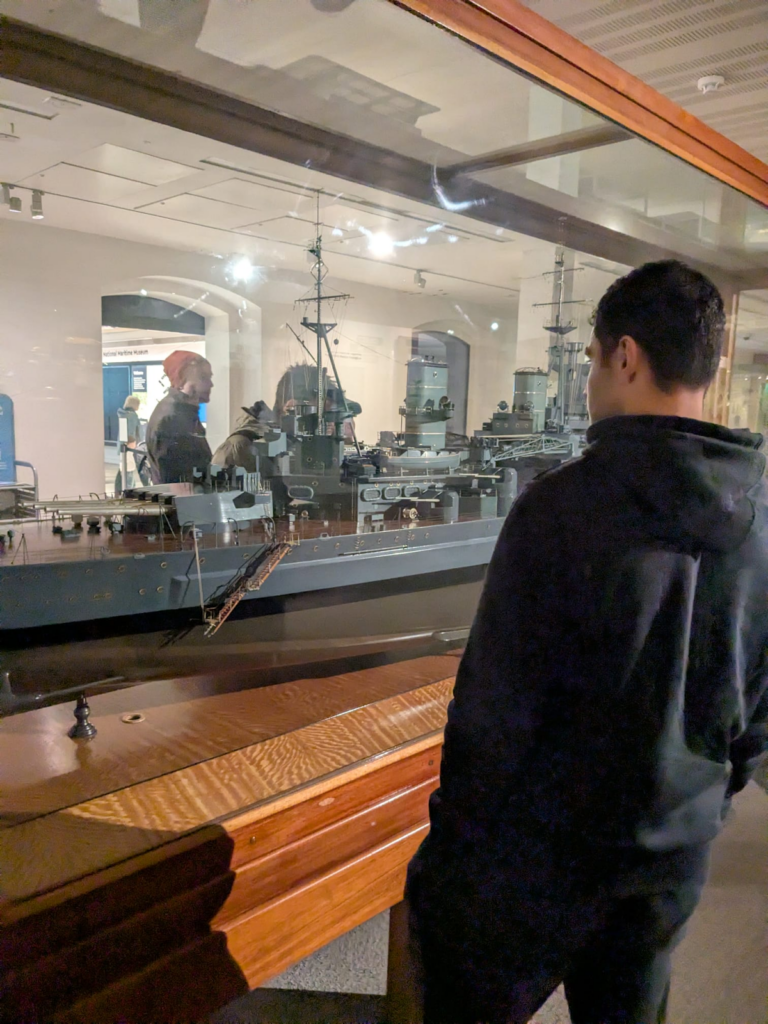
Answering the question ‘why do the clocks fall back and spring forward’, we took the young people to the Prime Meridian in the Royal Observatory, Greenwich. During the structured educational visit, they learned how global time is measured and set using the Meridian Line, bringing geography and science to life in a real-world context. They explored the Observatory with curiosity, demonstrating a genuine desire to expand their knowledge and appreciating the history and splendour of the surroundings.
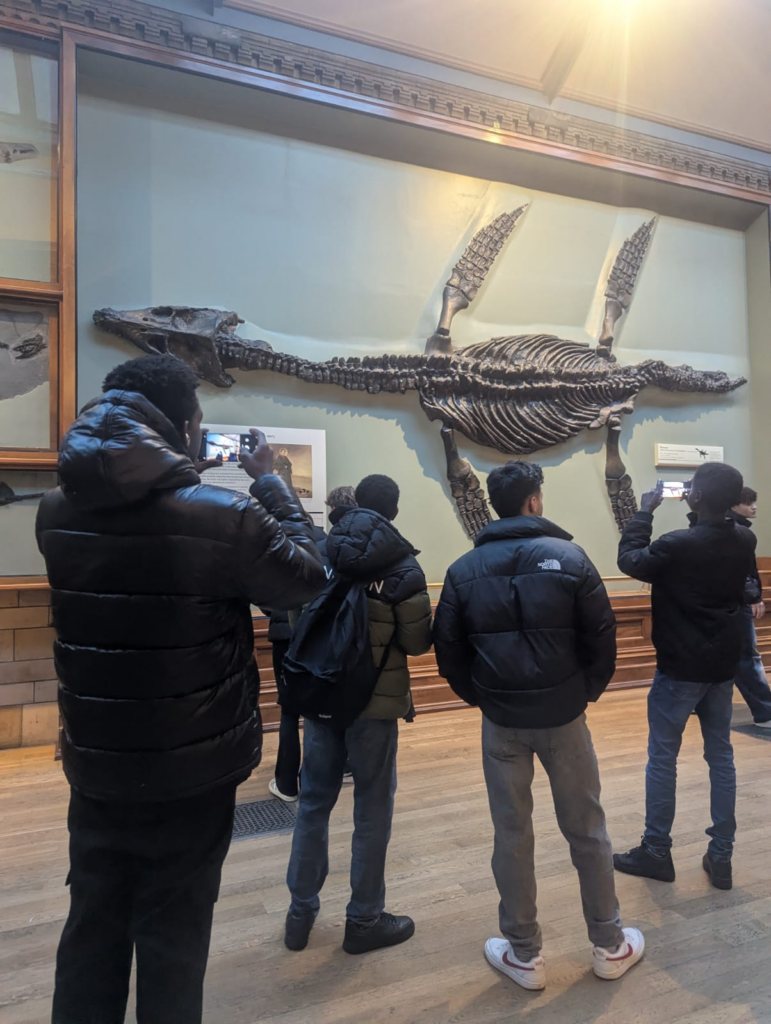
The young people also attended an enriching trip to the Natural History Museum, where they were captivated by the vast range of exhibits – from the smallest specimens to the iconic blue whale skeleton and the impressive dinosaurs of the Mesozoic Era. They engaged enthusiastically throughout the visit, taking photographs and exploring the striking architecture of Hintze Hall, appreciating both the scientific displays and the beauty of the building itself. The experience was met with great enthusiasm and gratitude.
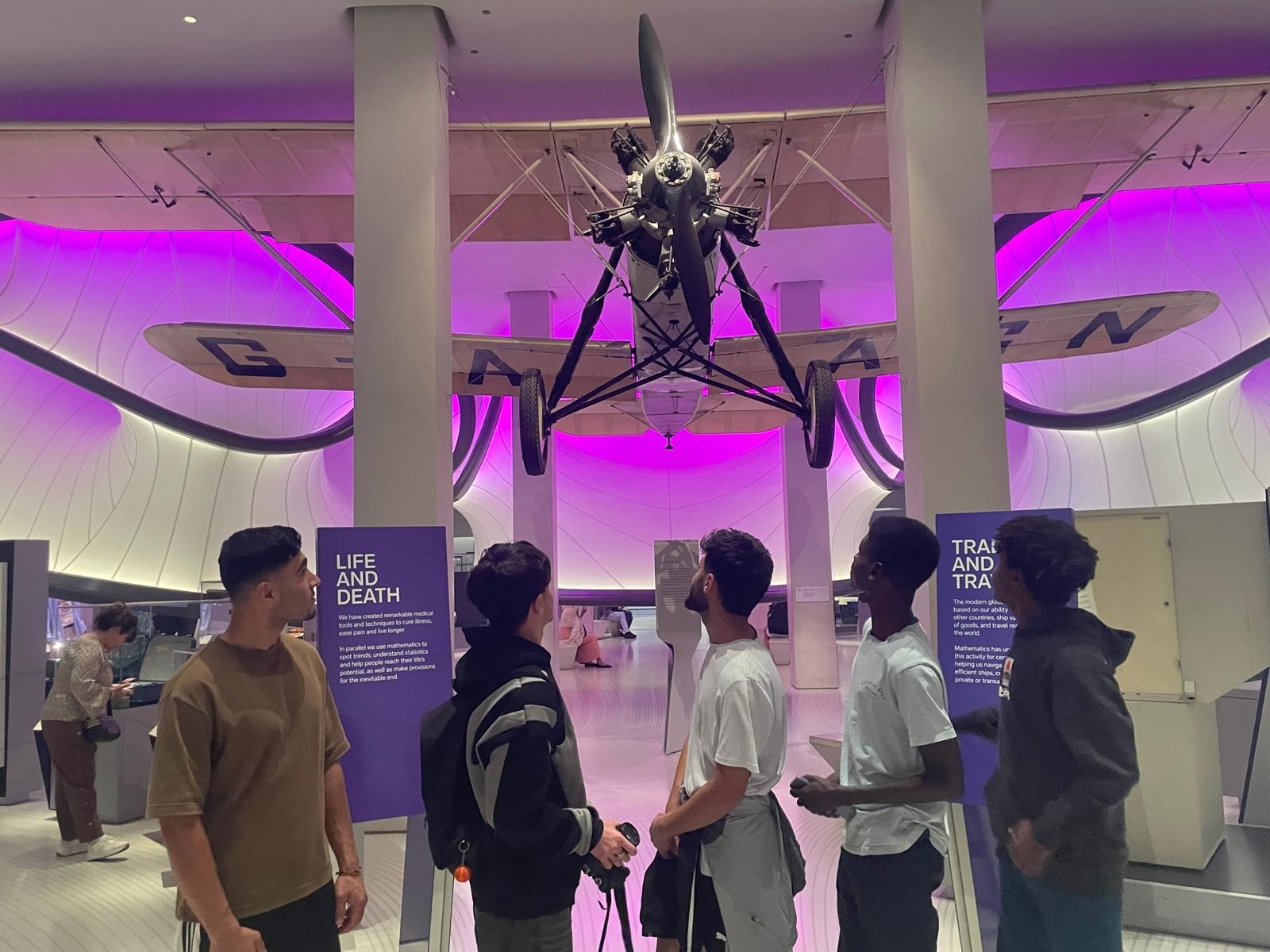
A further visit, this time to the Science Museum, focused on space, engineering, and historic machinery. Equipped with a professional camera, the young people experimented creatively with light and shadow while capturing exhibits. They showed exceptional interest in the displays, often spending extended time reading detailed information and exploring topics independently. The opportunity to see historic machines up close was a particular highlight, making the day both educational and inspiring.